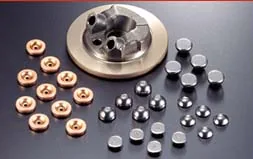
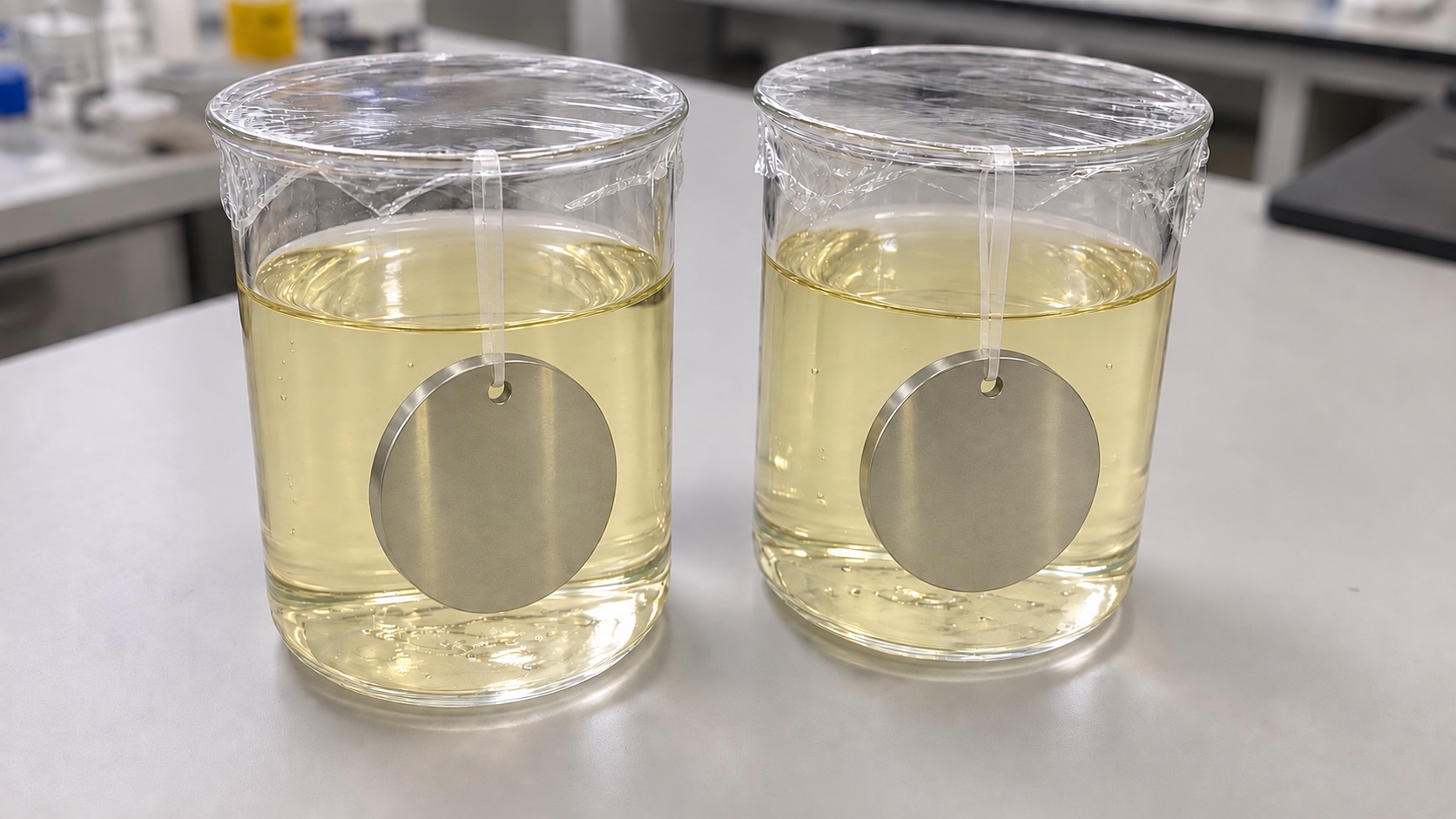
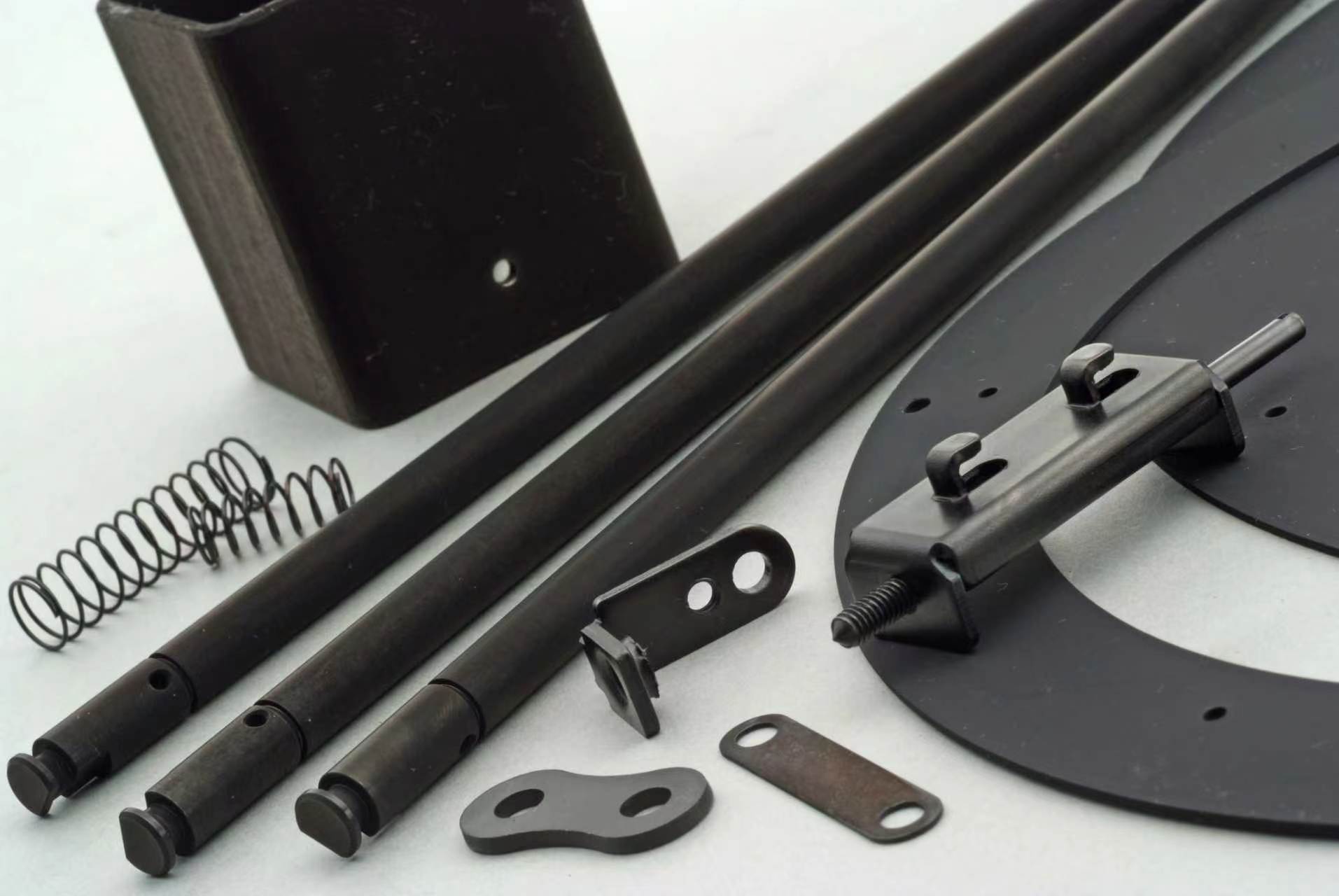
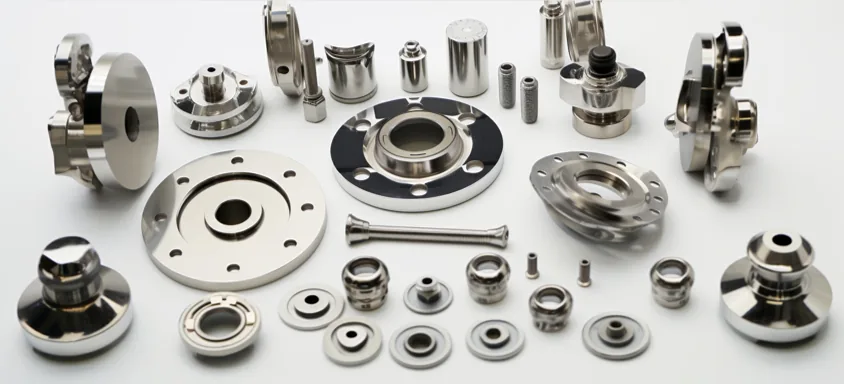
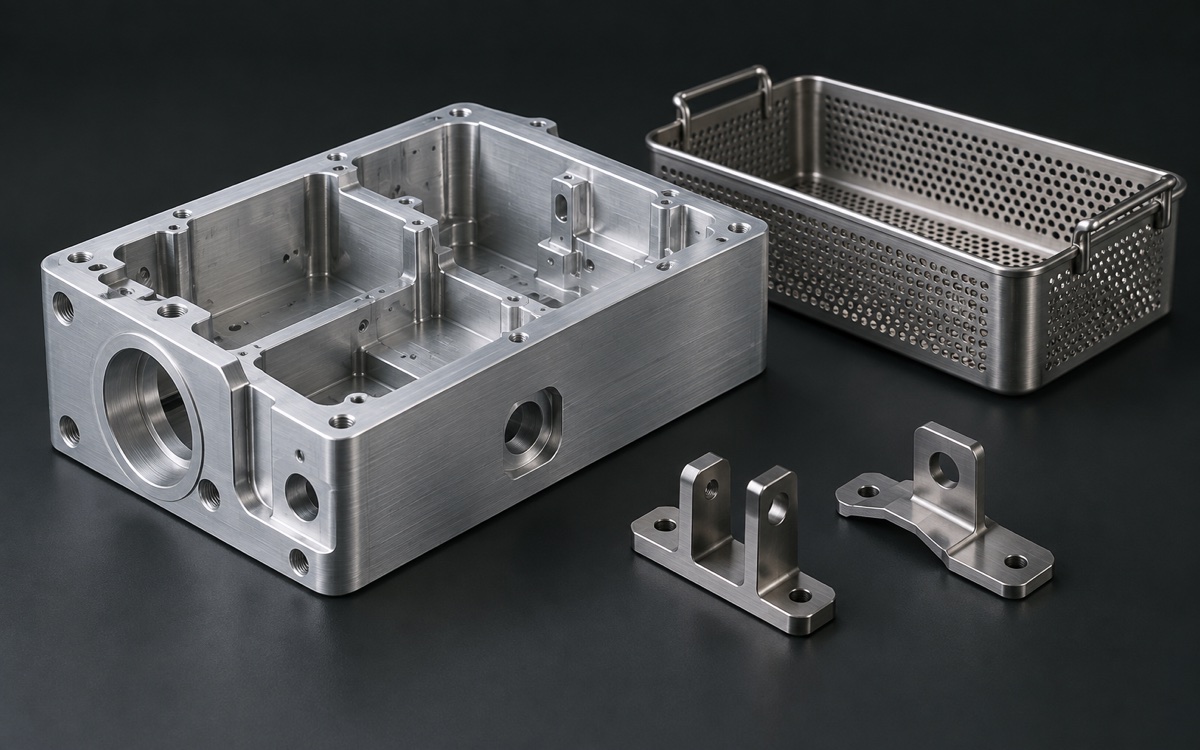
Electroless nickel and other surface finishing chemicals — view applications and selection points by process category.
Start with electroless nickel and functional coatings; other surface treatment chemicals are grouped into three stages: pretreatment & activation, plating & coating, and post-treatment & rework. Each category page explains uses, selection points and the conditions to confirm.
Ni-P/PTFE composite coatings address low-friction and mold-release needs; with a PTFE volume fraction of 30–35 vol%, the reference coefficient of friction is 0.05–0.08. Actual performance is confirmed by counterpart, load, speed and lubrication condition.
SiC Ni-P+SiC composite electroless nickel: SiC particles reinforce wear-resistant surfaces. View application directions and operating parameters of the SiC composite process.
Low-temperature / ultra-low-phosphorus options and low-phosphorus options are shown in groups, each listing phosphorus content, temperature and plating rate separately.
Four high-phosphorus electroless nickel processes for selection; view coating performance, continuous-production conditions and a separate aluminum-part application case.
A quaternary Ni-P-Co-W electroless alloy combining high as-plated hardness, wear resistance and sliding properties; learn about lubricated sliding conditions, process parameters and mechanical part applications.
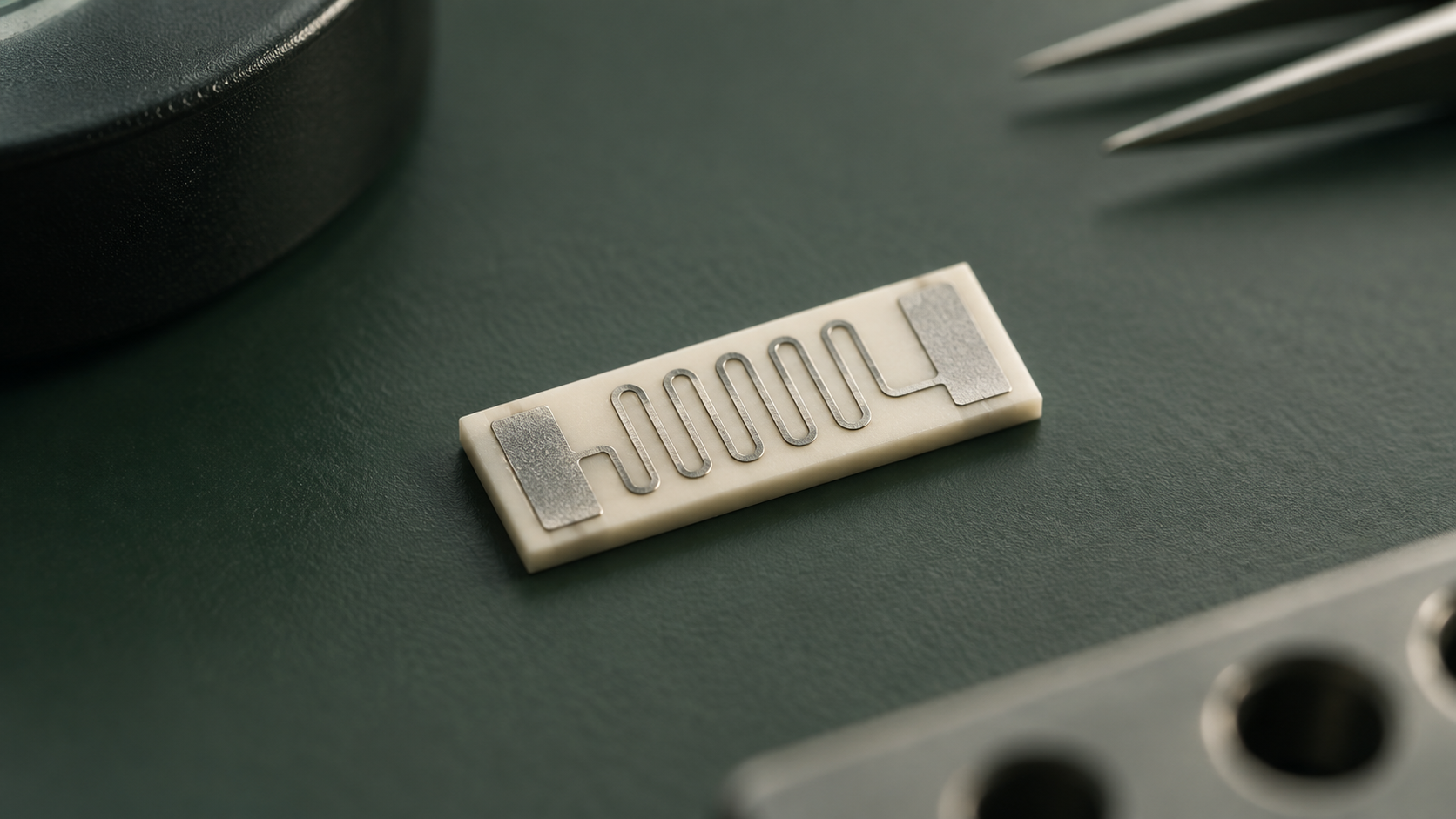
Special functional coating · Ni-P-W thin-film resistor system, with reference resistivity of about 120 μΩ·cm; the low-TCR direction is verified by operating temperature range and workpiece conditions.
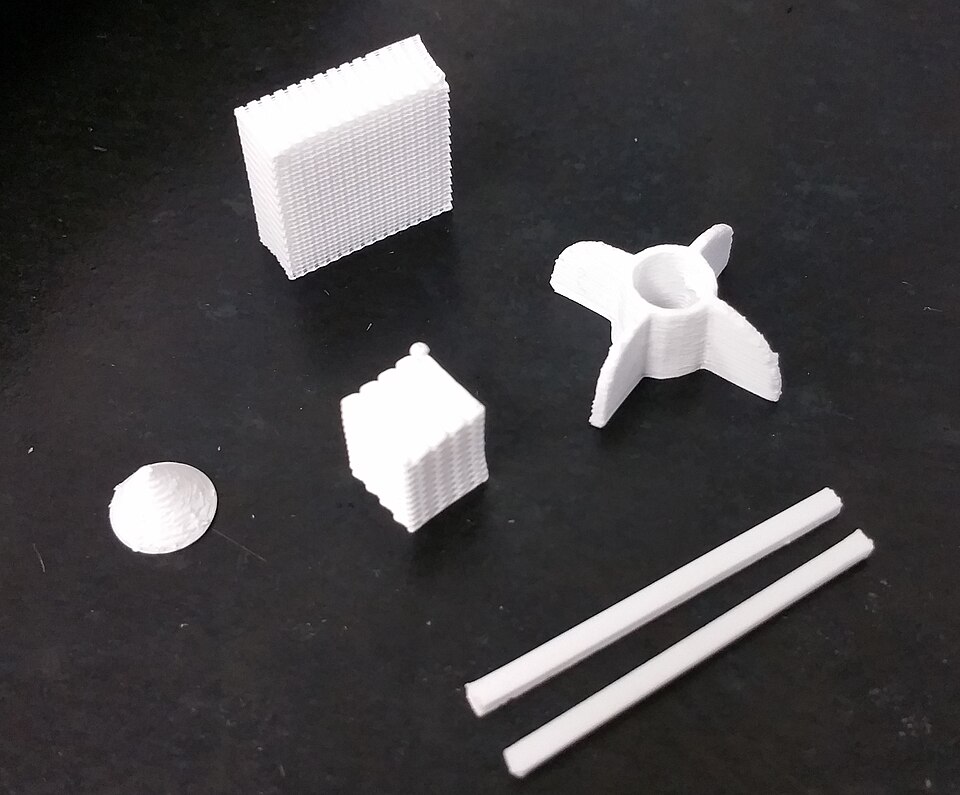
Room-temperature electroless nickel · a neutral Ni-P system for glass, ceramics and earthenware; operating temperature 30–90℃, with plating rates at each temperature listed per the data.
Find chemicals by process step: treat the substrate surface first, then choose a plating or coating process, and finally confirm protection and rework requirements.